
PROGESTERONE TESTING

Experienced dog breeders are aware of the value of progesterone testing.
It is recognised that up to 75% of failures to conceive in dogs can be attributed to incorrect timing of breeding.
The reason it is so difficult to time ovulation in the absence of hormone testing is that the stages of the canine oestrous cycle vary considerably in length. Pro-oestrus is defined as the period from the onset of vulval bleeding to the first acceptance of mating. Its duration averages nine days but, in extreme cases, can range from 1 to 27 days.
It is also a common misconception that the duration of the different stages within a season, and the point at which a bitch will allow mating, will be the same during every season. For example, because a bitch was previously bred successfully on day 10, the breeder may continue mating her on day 10 during every subsequent season.
While this may work in some cases, it will not work in every case. It is not always true that the stud dog will know exactly when the bitch is at her most fertile. More precise timing is required when access to the stud is limited, assisted reproductive techniques are being used, or semen quality is questionable.
How Optimal Timing Can Help
- Maximises pregnancy rates and litter size.
- Allows the breeder to plan travel for matings.
- Helps time artificial insemination using fresh, chilled or frozen semen.
- Helps when access to the stud is limited to one or two matings.
- Prevents unnecessary use of the male.
- Helps when the same male is being used for two bitches at similar times.
- Assists with bitches that have silent seasons or a history of unreceptiveness.
- Provides a more accurate estimate of the expected whelping date.
Results From Dogs Scanned Here

Important Information About Blood Sampling
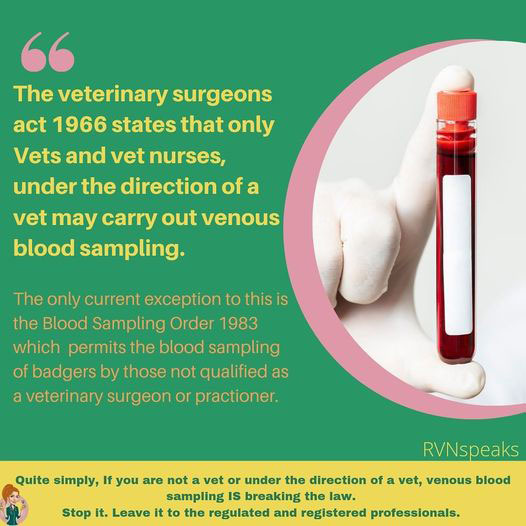
It is very important that you use a veterinary practice to draw blood from your bitch for progesterone testing.
There are numerous fertility clinics around the country offering a range of breeding services. Although they may look professional, breeders should not assume that staff are legally qualified to draw blood from a dog.
A registered veterinary nurse should work under veterinary direction, and a human phlebotomist is not automatically qualified to draw blood from an animal. Signing a disclaimer does not replace the need for the person carrying out the procedure to be legally authorised and appropriately trained.
To reduce stress, blood should be drawn quickly and efficiently by an appropriately qualified veterinary professional. Results produced by different testing machines and services may vary, so breeders should discuss the testing method and interpretation with their vet.
You can read more about concerns surrounding canine fertility clinics and blood sampling in this BBC article and documentary.
Breeders can spend considerable amounts on progesterone testing, stud fees and artificial insemination. Reliable testing and correct interpretation are therefore extremely important.
Predicting Ovulation
The most reliable and readily available method of predicting ovulation in the bitch is a progesterone test. Ovulation generally occurs approximately two days after the LH surge, when progesterone levels are around 15–20 nmol/l.
Most veterinary practices can take a blood sample, send it to a laboratory and receive the result the following day. An in-house pre-mate test can be a useful indicator, although it may only provide a guide to progesterone levels.
After ovulation, it takes approximately 48 hours for the eggs to mature before they can be fertilised. It takes around 12 hours after ejaculation for fresh sperm cells to become capable of fertilising an egg.
Canine sperm cells can live for up to five days after being deposited inside the reproductive tract. Although the best time to mate is usually around two days after ovulation, matings shortly before ovulation may still produce puppies. Where possible, two matings 24–48 hours apart are commonly recommended.
Progesterone testing is particularly important if your bitch has failed to produce a litter previously and is vital when chilled or frozen semen is being used.
RCVS Guidance Regarding Cytology
Update January 2024: The RCVS advises that, because of its invasive nature and potential to cause harm, collecting a vaginal smear amounts to an act of veterinary surgery.
Vaginal cytology in dogs should therefore only be carried out by a veterinary surgeon or by a veterinary nurse working under direction. The procedure should not be delegated to lay staff or undertaken by lay people.
The laboratory examination of cells may be carried out by a lay person if they are only reporting a simple normal or abnormal result. Giving a specific diagnosis, or advice on treatment or management based on an abnormal result, falls within veterinary surgery and should only be undertaken by a veterinary surgeon.
Chilled and Frozen Semen
Chilled semen has a limited lifespan after warming, and frozen semen has an even shorter lifespan. Precise timing is therefore vital. To improve the chances of success, semen may be placed directly into the uterus rather than the vagina by an appropriately qualified veterinary professional.
Some reputable services can assist with ovulation timing using cytology. However, breeders should check qualifications carefully, seek veterinary advice and obtain recommendations from experienced breeders.
Progesterone levels continue to increase for two to three weeks after ovulation and remain raised for approximately 60 days, regardless of whether the bitch is pregnant. Levels then fall shortly before whelping.
Reverse Progesterone Testing
Reverse progesterone testing can be useful to veterinary surgeons before a caesarean section, helping them assess whether hormone levels have dropped and whether the puppies are ready to be born.
Food for Thought
Long before progesterone testing became widely available, bitches were taken to the male based on visual signs and calendar counting. This sometimes meant that bitches failed to conceive because the timing was incorrect.
Many years ago, we had a visiting bitch who had failed to become pregnant. We decided to allow her to choose between several males. She selected a proven sire called Sky, although he was not the male her owner would originally have chosen.
The mating produced six puppies, an unusually large litter for a toy breed. Three of the resulting offspring went on to win CCs and RCCs.
When working with clients whose bitches have missed previously, I sometimes raise the possibility of changing the male. This does not necessarily mean the original male has fertility problems; it may simply be that not every pairing is equally compatible.
Research continues into the complex chemical interactions between eggs and sperm. Fertilisation is not simply a race involving the fastest sperm; biological compatibility and chemical signalling may also play an important role.
IDEXX Information
From 6 June 2022, progesterone tests, also known as pre-mate tests, must be submitted through a veterinary practice account. IDEXX no longer accepts direct submissions from members of the public.
Taking a blood sample from a dog or any other animal is considered an act of veterinary surgery and should only be undertaken by a veterinary surgeon or someone working under their supervision.
Progesterone and Breeding in Cats
Cats are different from dogs because a queen can be bred at any time while she is in season. Cats are induced ovulators, meaning the act of mating stimulates the release of eggs from the ovaries.
Most females require three or four matings within a 24-hour period for ovulation to occur. Cats may mate several times in a short period, and a queen may mate with different tomcats. It is therefore possible for kittens within one litter to have different fathers.
Once ovulation has occurred, the queen will usually go out of season within a day or two.